The Night Everything Sells Out
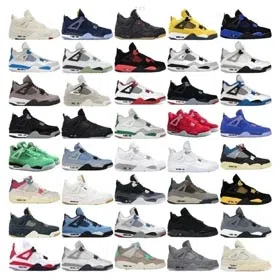
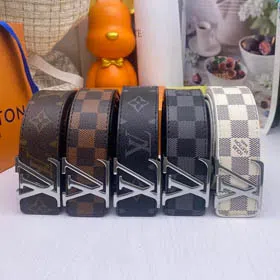
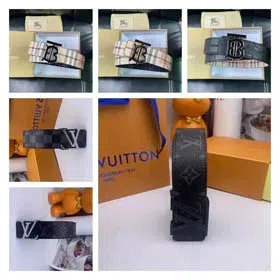
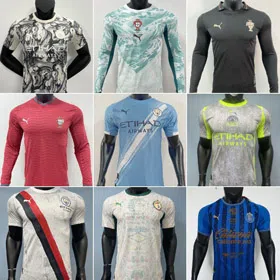
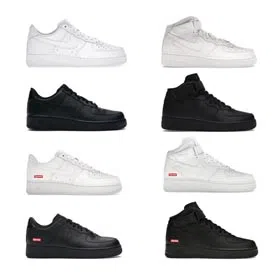
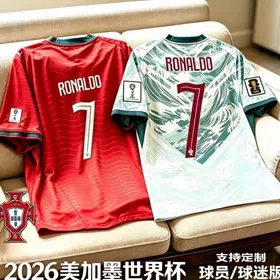
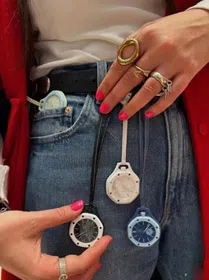
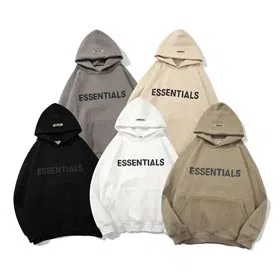
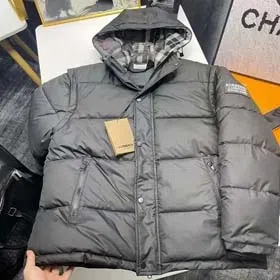

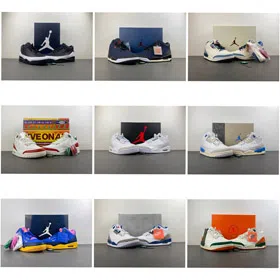
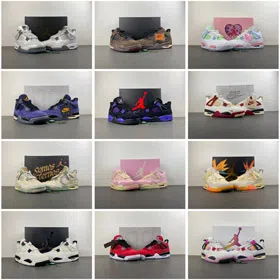
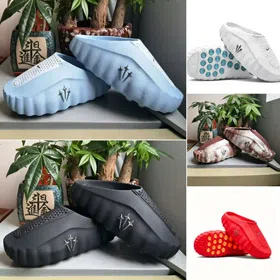
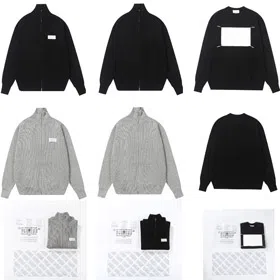
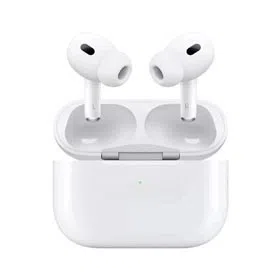
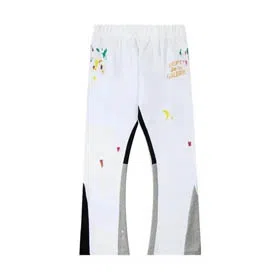
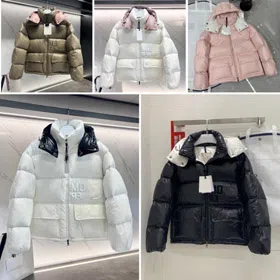
It's Thursday, 11:47 p.m., and somewhere between two million people are staring at the same countdown on their phones. In seven minutes, a new drop goes live — a limited edition release that has been teased, leaked, and debated for weeks. Some of them will refresh the page at the exact second it opens and still see the dreaded words: sold out. Others, faster or luckier, will check out in under four seconds and immediately list the same piece on the resale market for triple the price. This is how streetwear works now. It hasn't been about clothes for a long time.
Once, wearing streetwear meant belonging to a scene. You knew the history, you knew the codes, you recognized the people who got the joke. Today the scene is bigger than any of us imagined — but the emotion underneath hasn't changed. People are still dressing for identity, for belonging, for the rush of catching something rare before the world does. The only difference is that in 2026, everyone can play. The weekly drop turned fashion into a sport, and every Thursday night is game night.
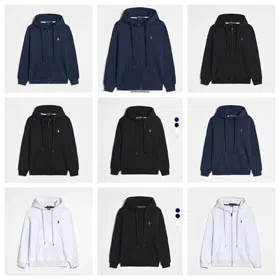
Walk through any city with a pulse and you'll see the new uniform taking shape. It's not loud anymore. The era of screaming logos is fading, replaced by something quieter and far more deliberate. Techwear has gone from a niche obsession to the default silhouette — waterproof shells in matte black, cargo pants engineered with a dozen utility pockets, technical fabrics that shrug off rain and wind. Gorpcore finished the job that started years ago: it made outdoor gear feel like the most honest luxury on earth. And beneath it all, elevated basics do the real heavy lifting — oversized silhouettes in neutral palettes, hoodies and tees so well-made you can feel the difference before you see it. This is quiet luxury's victory lap. The flex is no longer the logo; it's the fabric.
And yet, for all the talk of minimalism, the machine that keeps the culture alive is anything but quiet. Collaborations fire off every week — cross-category collabs that smash fashion against sport, street against outdoor, art against commerce. Capsule collections arrive with the precision of a missile: small, themed, gone before you've fully decided. The smartest players don't even announce the big stuff anymore. They let a few seed posts drift out through the creator economy, let the whispers do their work, and then — boom — a secret drop appears in the middle of a Tuesday afternoon. The lucky few who see it become insiders for a day. The rest of us refresh, and we learn to love the chase.
This is the part outsiders never understand: the scarcity isn't cruelty, it's belonging. When a release sells out in seconds, what's really being distributed is proof of attention. Archival pieces from a few years ago now trade on the resale market at multiples of their original price, and collectors talk about them the way others talk about vintage records — each one carrying a memory, a moment, a story of who wore it and when they were there. Hype, in the end, has a memory. It rewards authenticity. It punishes manufactured moments with indifference.
So what does 2026 actually feel like, standing inside it? It feels like a community culture that has learned to defend itself. It feels like buying into something bigger than a garment — a movement where every drop is a referendum, every collab a conversation, every wearer a participant. The logos may be quieter, the silhouettes softer, but the stakes have never been higher. On Thursday nights, we all sit with our phones in our hands, watching the countdown, knowing that somewhere out there, someone is about to feel the exact same electric thing we do. And that, more than any garment, is what keeps us coming back.